The Role of Luck in Games of Chance
In the realm of casinos, the concept of luck holds significant sway over players‘ experiences. Games of chance like slot machines, roulette, and blackjack rely heavily on random events to determine their outcomes, distinguishing them from skill-based games where strategy and experience can influence results. Many players often seek out the best nongamstop casinos uk to enhance their gaming experience, as the thrill of uncertainty is what entices many individuals to the casino floor, drawn into the excitement of winning or losing based solely on luck. This unpredictability creates an electrifying atmosphere that captivates players and keeps them returning for more.
Luck serves as a driving force behind the stories of triumph and loss that circulate among players. A fortunate spin on a slot machine or a lucky hand of cards can lead to life-changing wins, and these moments are often celebrated and recounted with enthusiasm. Such experiences not only become personal milestones but also foster a sense of camaraderie among players who gather to share their tales of serendipity. Thus, luck transcends the mechanics of the games themselves, becoming a core theme that enhances the overall allure of the casino experience.
Additionally, the notion of luck affects players‘ attitudes and behaviors. Many gamblers engage in rituals or superstitions, believing that certain actions can influence their luck. This psychological component underscores the integral role luck plays in shaping the gambling experience. While skills can improve chances in specific games, the element of luck remains the unpredictable force that ultimately dictates outcomes in the bustling world of casinos, making each visit a unique adventure.
The Psychological Impact of Luck on Gamblers
The psychological dynamics surrounding luck in casinos are profound and multifaceted. Players often experience a whirlwind of emotions as they navigate their gambling journeys, oscillating between exhilaration and disappointment. Winning streaks can create a sense of invincibility, leading players to feel as though they have mastered their luck. Conversely, a series of losses can trigger feelings of frustration, self-doubt, and despair. This emotional rollercoaster is intensified by the nature of luck itself, as players may find themselves riding high one moment and facing a downturn the next. Such unpredictability is a key factor in why many are drawn to casinos, eager to test their fortunes time and again.
This emotional engagement can lead players to adopt a distorted perception of luck, believing that they can exert control over their outcomes. Many gamblers fall prey to the ‚gambler’s fallacy,‘ where they mistakenly believe that previous results can influence future games. For instance, if a player has experienced a string of losses, they may convince themselves that a win is „overdue.“ Such beliefs can contribute to a cycle of increased gambling activity, sometimes culminating in addiction. This intricate interplay between luck and psychology highlights the complexities of the casino culture, emphasizing the importance of understanding the psychological effects of gambling.
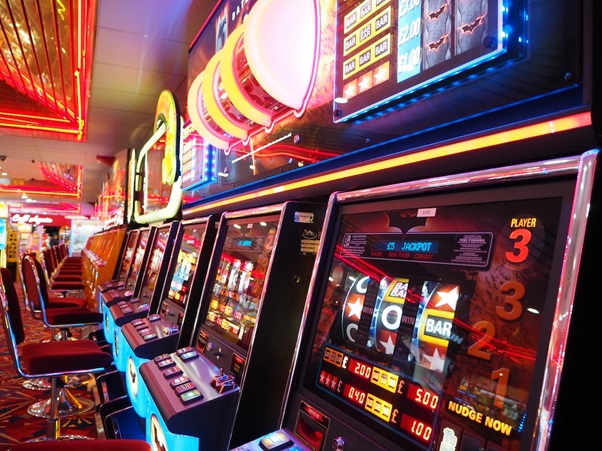
Furthermore, players often develop various superstitions and habits that they associate with luck. These rituals can range from the simple, such as the specific way they place their bets, to more elaborate traditions, including wearing particular clothing or visiting certain locations deemed „lucky.“ Such behaviors illustrate how deeply intertwined luck is with the gambling experience, influencing how players approach their games and interact with one another. Recognizing this psychological impact is crucial for fostering responsible gambling practices, as the allure of luck can lead to both thrilling moments and potential pitfalls in the casino landscape.
The Influence of Luck on Casino Revenue
Luck is not just a crucial aspect for players; it also plays a vital role in the financial success of casinos. The inherent unpredictability of luck generates significant revenue streams for casino operators. Games are crafted to be engaging and exciting, ensuring that players are drawn back, driven by the belief that they might experience a fortunate win at any moment. This is why casinos continuously innovate, introducing new games and features designed to amplify suspense and enhance the gaming experience, as the promise of luck can lead to substantial financial gains.
Moreover, the impact of luck on winnings directly affects the overall revenue model of casinos. While skill-based games may attract dedicated players seeking intellectual engagement, chance-driven games tend to appeal to a more diverse audience. This influx of players ranges from casual gamers looking for entertainment to serious gamblers hoping for substantial payouts. As such, casinos capitalize on the emotional highs associated with luck, generating profits through the thrill of potential winnings that keeps players‘ adrenaline pumping.
Additionally, casinos carefully manage game odds to ensure consistent profitability while still allowing for significant wins driven by luck. This balance is achieved through strategic game design, payout ratios, and house edges. By calibrating these elements thoughtfully, casinos maintain a steady income stream while offering players the tantalizing prospect of an unexpected lucky break. Thus, the relationship between luck and casino revenue exemplifies how chance serves as both a captivating gameplay element and a strategic financial consideration for operators, ensuring the continued allure of the gaming floor.
Luck and Loyalty: Building Player Relationships
In the competitive landscape of casinos, luck plays a crucial role in fostering player loyalty. When individuals experience substantial wins, they often feel a personal connection to the establishment, increasing their likelihood of returning. Casinos recognize this dynamic and leverage it through loyalty programs and bonuses, encouraging players to engage more frequently with the hope that their fortune will continue. This synergy between luck and loyalty benefits both players and operators, as it promotes repeated visits and cultivates long-term relationships.

Moreover, casinos strive to create an atmosphere where luck feels palpable. The ambiance—complete with the sounds of winning and vibrant displays of jackpots—reinforces the idea that luck is a constant companion. This environment not only enhances the overall gaming experience but also fosters a sense of community among players who share anecdotes of good fortune. Such connections deepen their ties to the casino and one another, further cultivating a loyal customer base. This shared excitement often leads to players forming friendships and bonds, creating a vibrant social scene within the casino walls.
As players continue to chase their lucky moments, casinos benefit from heightened foot traffic and engagement. This reciprocal relationship underscores the significance of luck in nurturing player loyalty while simultaneously driving revenue. In an environment where each spin or hand holds the potential for a thrilling outcome, the concept of luck becomes a vital bond that keeps players returning, eager for their next exhilarating encounter. This ongoing cycle of luck and loyalty not only sustains the casino’s business but also enriches the overall experience for players.
Conclusion: Understanding Luck in the Casino Experience
In the vibrant world of casinos, the concept of luck is an indispensable element that shapes every aspect of the gambling experience. From the games of chance that define the casino’s identity to the psychological implications that accompany both wins and losses, luck permeates the environment in countless ways. Recognizing the importance of luck not only enhances a player’s appreciation for the games but also informs responsible gambling practices, allowing individuals to navigate their experiences with greater wisdom and awareness of their own behaviors.
As players immerse themselves in games and rituals centered around luck, they become part of a broader narrative—one that intertwines their personal experiences with the collective thrill of anticipation. Whether experiencing exhilarating highs or sobering lows, the role of luck remains paramount in ensuring that each visit to a casino is unique and memorable. By acknowledging this influence, players can approach their experiences with a blend of hope and realism, maximizing enjoyment while mitigating potential risks associated with gambling.
Ultimately, the world of casinos thrives on luck, and this unpredictable force is what keeps the spirit of gambling alive. Whether you are a casual visitor or a dedicated gambler, embracing the role of luck is essential in cultivating a fulfilling casino experience where every game presents the tantalizing possibility of fortune, storytelling, and community bonding. As the allure of luck continues to draw players in, understanding its impact becomes crucial for a richer, more responsible gaming experience.